
Protect Your Thatched Roof with Thatchsayf
OVERVIEW
Proven protection you can trust
Thatched roofs offer timeless beauty and natural elegance, but they also pose significant fire risks. A single spark from lightning, a chimney, or even electrical faults can quickly escalate into a devastating fire, endangering lives and property. Effective protection isn’t just a precaution, it’s essential.
Thatchsayf by Micon is not just another fire retardant. Thatchsayf was originally developed by some of South Africa’s smartest scientists at the Council for Scientific and Industrial Research (CSIR) to combat the scourge of thatch fires. It was manufactured, marketed and distributed by Micon since its release on the market. During a period of restructuring Micon went from license holder of the technology to the owner of it. It is fully tested to the rigorous standards of the SANS 10177-12, ASTM E-108 and British Standards BS 476-3, Thatchsayf provides vital extra time in the event of a fire, protecting lives, protecting structures, and protecting investments.
OVERVIEW
Trusted and
certified
Unlike untested and uncertified alternatives, Thatchsayf slows down the progression of a fire by controlling flame spread at its most critical early stage.
KEY FEATURES
Why Choose Thatchsayf
Fully Certified And Tested
Thatchsayf has been fully tested to South African National Standard SANS10177-12 and the ASTM E-108 protocols.
Insurance
Approved
Proven
Durability
Fully Certified And Tested
Insurance Approved
Proven Durability
Extended Evacuation Time
Premature
Decay
Extended Evacuation Time
Slows down the fire spread, giving critical additional time for evacuation and emergency response.
Premature
Decay
Has been proven NOT to promote the premature aging and decay of your thatched roof. WARNING: Be aware of competitor products making unfounded claims about their products. Conduct proper research when selecting potentially life saving products.
Frequently Asked Questions
Micon Thatchsayf is applied to both the interior and exterior of the thatch roof. Once applied to the interior it remains effective until the roof is disturbed by re-thatching. The interior does not have to be treated again before that. Certification for the exterior of the roof is for either 5 or 7 years depending on the climatic conditions and geographical area of the structure. Coastal areas, areas of high humidity have certification valid for 5 years. Inland highveld areas get certification for 7 years. It is important to note though that any brushing and combing, rethatching, and roof disturbance will require reapplication to the effected sections. We do recommend that all maintenance work be done to SANS 10407 (Thatch Roof Construction Specification) specifications just prior to application to take advantage of the whole certification period.
Micon Thatchsayf neither extends nor shortens the life span of the thatched layer. The single most important aspect of a long lasting thatched roof is ensuring it has been constructed to SANS 10407 and that the grass or reed has been sourced and cut at the correct time of the year. There are some products on the market who say that their products extend the life of the thatch. That should be a reg flag to any prospective clients. Always request copies of weathering test reports from respected testing agencies for products who make claims around lifespan extension.
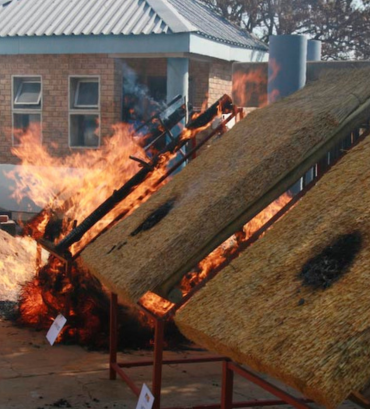
Micon Thatchsayf has been tested to British Standard (BS476 PART 3), it has been tested all sections of the ASTM E108 test method by the Firelab. This subjects test panels to :
- Intermittent Flame Exposure Test
- Burning Brand Test
- Spread of Flame Test
- Flying Brand Test
In 2025 Micon Thatchsayf has undergone testing as per SANS 10400 PART – T : 2024, which requires products to be tested to SANS 10177 Part 12. This test method is based on the ASTM E 108 test, but adapted for the South African market. It will subject panels to :
- Intermittent Flame Exposure Test
- Burning Brand Test
- Spread of Flame Test
- Flying Brand Test
It is important to request test reports from all thatch protection companies and ensure that their tests comprehensively include ALL sections of the above and not just one or 2 of them.
Having a certified fire retardant that has been tested to national stardard requirements, can be the difference between being paid out by insurance in event of a fire and not. SANS 10400 – T Fire, requires thatched roof fire protection systems be tested to the SANS 10177 -12. Beware of companies advertising conformance to the standards who have not been tested as required. It could be the most expensive mistake you make.
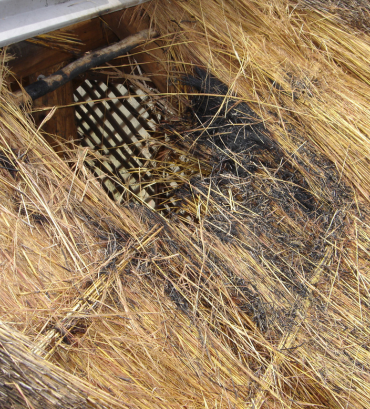
On exposure to heat the first stage of protection occurs when intumescent material foams and forms an insulating char on the surface limiting the heat flow and supply the of oxygen which supports combustion. The second stage of protection occurs when the fire retardant chemicals react with the cellulose and charring takes place, again having the effect of limiting the flow of oxygen.
While Thatchsayf has undoubtedly saved many structures from devastating fires over the years it is extremely important that the application of Micon Thatchsayf goes hand in hand with a solid fire safety plan. Thatchsayf application, creating fire breaks, clearing bush, fire extinguishers, smoke alarms, fire blankets in the kitchen, water hoses which reach to all sections of the roof, properly constructed roofs, proper chimney installation, evacuation plans and building plans are all important factors in creating the safest possible space in case your thatched property is affected by fire and guarding against a total loss.
FEATURED PROJECTS
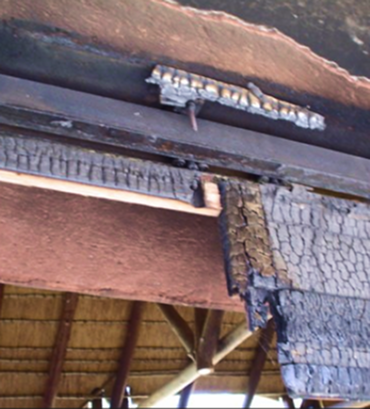
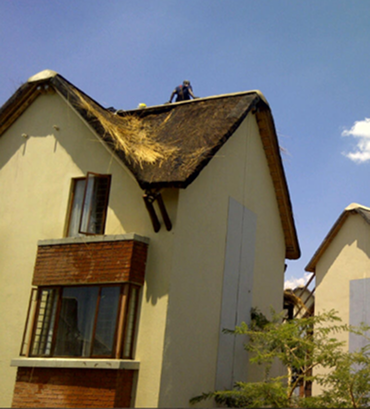
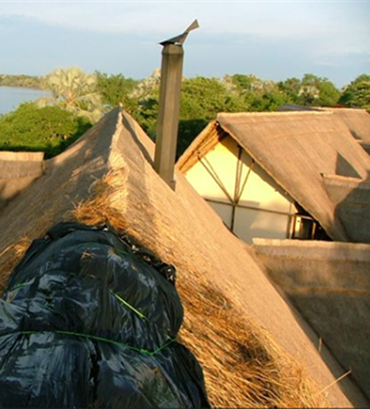
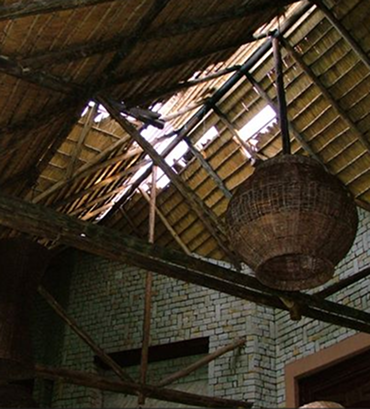
Thatched roofs protected by Micon
Why Choose Us
Our commitment to quality and excellence
Trusted Track Record
Fully Certified Products
Technical
Expertise
We offer deep technical knowledge backed by real-world testing and performance data. Unlike many competitors, we don’t just sell a product – we deliver proven protection.
National Support Network
Technical Expertise
National Support Network
Client Testimonials
Michael van Niekerk
“Thank God for Thatchsayf.”
J. Franklin
Johannesburg South Africa
“I highly recommend Micon Thatchsayf “
Ronald Koekemoer
Associates Fire Protection Engineering
Are you ready to protect your thatched roof?
Leave a message and we’ll call you back to discuss your requirements.
By clicking submit, you understand that Micon will process your information to respond to you in accordance with its Privacy Policy